 Staff
Staff
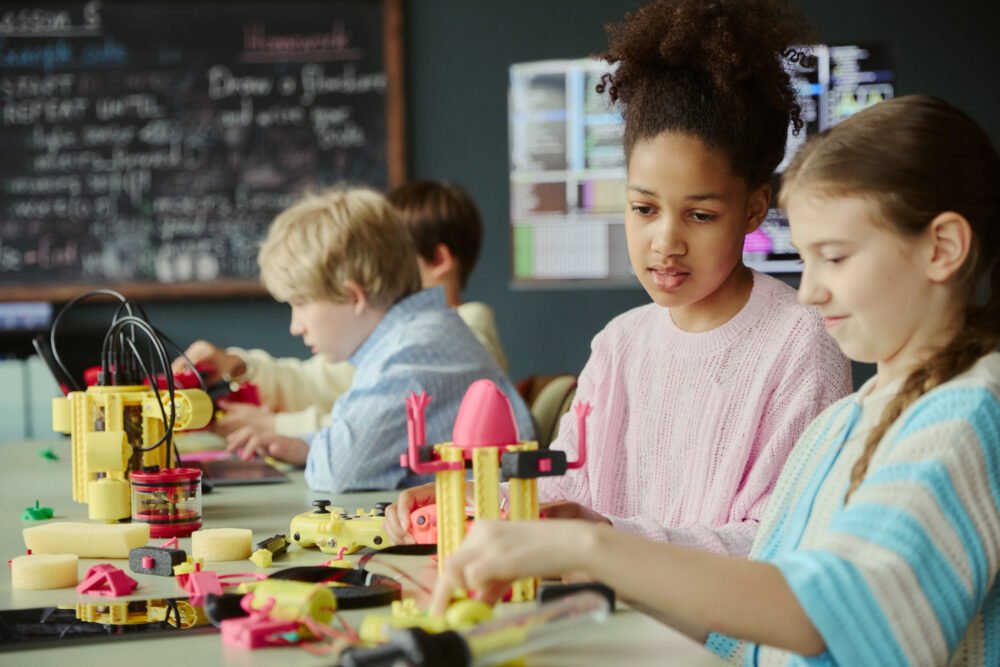
Dubai, Sept 3, 2026: School laboratories are being redesigned around flexibility rather than a single subject, equipping science, technology, engineering, arts and mathematics (STEAM) spaces for the new academic year.
Rooms once built as subject-specific labs are increasingly expected to serve physics, chemistry, biology, robotics and design technology alike, while safety compliance and maintenance work seamlessly in the background to keep them running.
“The main shift we’re seeing is away from fixed, single-subject labs. Schools want rooms that work for physics, chemistry, biology and increasingly robotics or design technology, all in the same space,” says Harvey Liptrot, General Manager of Classic Educational Supplies, a school science and laboratory equipment supplier. “That’s pushing demand towards mobile benching and modular storage instead of the fixed installations that used to be standard.”
Curriculum choice is compounding the shift, says Liptrot. “Many schools here run UK and US pathways side by side, so labs need to satisfy both sets of accreditation requirements from the outset rather than being adapted after the fact.”
On equipment, he says digital tools “like data loggers and digital microscopes are increasingly sitting alongside traditional apparatus rather than replacing it,” while “safety compliance has also moved up the priority list, particularly chemical storage and fume extraction, as schools face closer scrutiny ahead of opening.”
Schools describe that flexibility playing out at scale. At Queen Elizabeth’s School, Dubai Sports City, Founding Principal Dan Clark says: “The campus includes multiple specialist physics, chemistry and biology labs. A Centre for STEAM and Science will be developed, aligned with UAE innovation priorities such as the Mars programme. Robotics, coding, AI and project-based learning are embedded to support interdisciplinary learning.”