 Staff
Staff
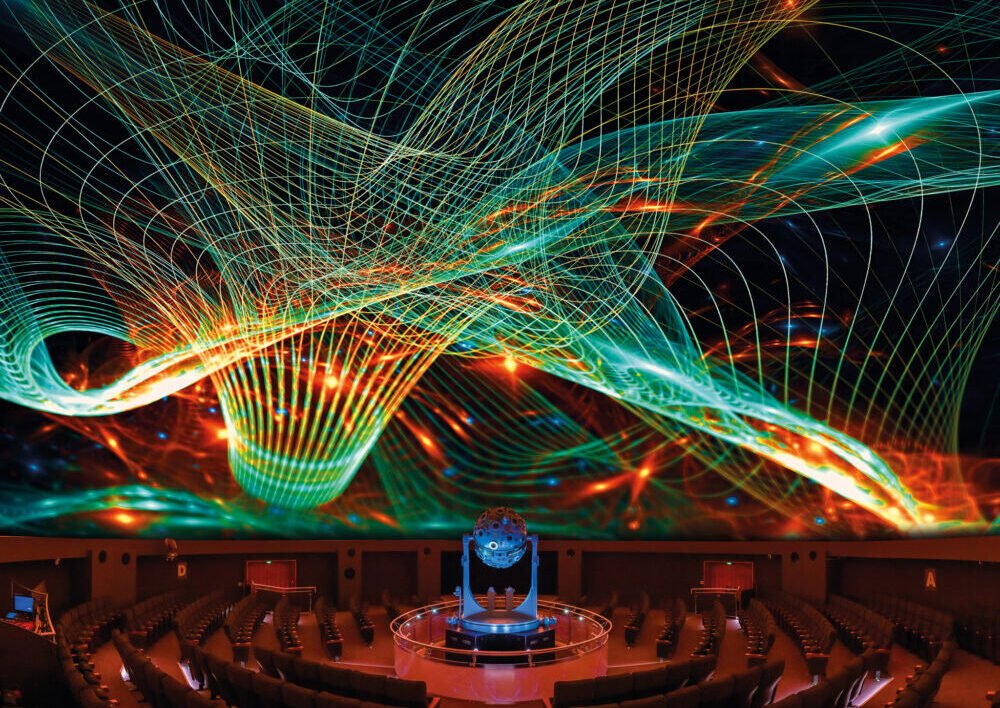
From exploring the night sky to visualising complex scientific data, ZEISS Planetariums help universities make knowledge visible, accessible and engaging for students, faculty and the wider public
Dubai, Sept 28, 2026: Today, universities impart knowledge that is increasingly data-driven, interdisciplinary and difficult to experience directly. From climate research and space technology to environmental science and engineering, many topics involve spatial, temporal or systemic relationships that are hard to convey through textbooks, slides or other two-dimensional formats. At the same time, universities face the challenge to engage students more actively, connect disciplines more closely and communicate science beyond academia – goals that are also central to many of the region’s national development strategies.
Against this backdrop, immersive learning environments are gaining importance worldwide. Modern planetariums go far beyond their traditional role as places of astronomical education. They are visualisation spaces where data, models and processes can be experienced spatially, providing a shared basis for understanding complex topics and becoming important venues for teaching, research and science communication.
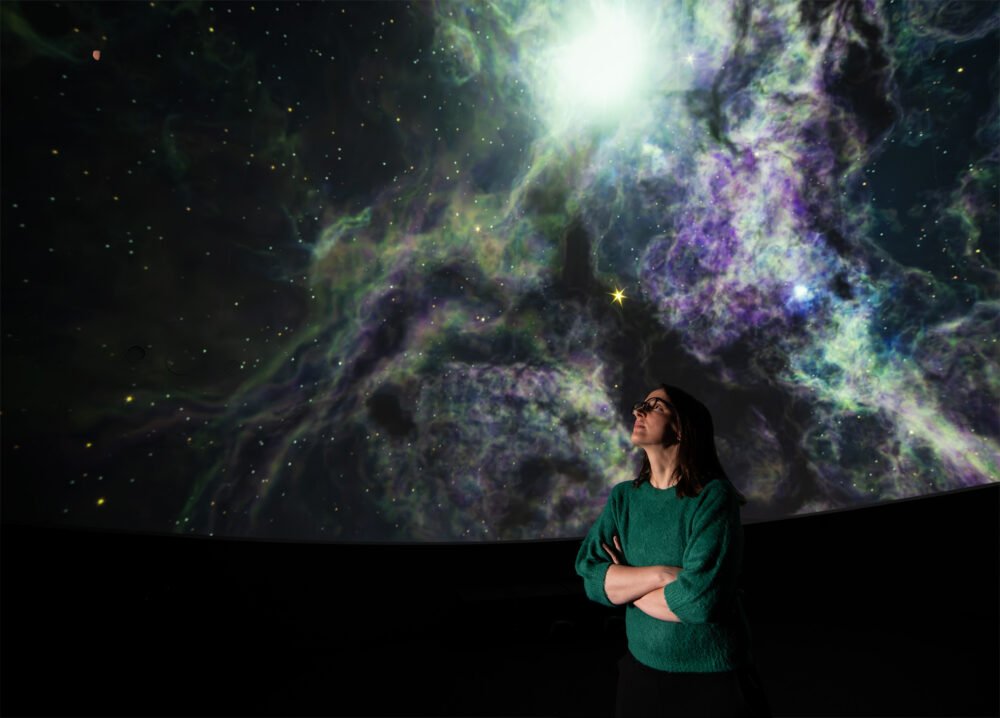
Sharjah brings the modern university planetarium to life
The Sharjah Space and Astronomy Hub (SSAH) Planetarium at the University of Sharjah in the UAE shows what this can look like in practice. The Sharjah Space and Astronomy Hub combines laboratories, observatories, exhibitions and outreach activities in one facility. The integrated planetarium is both a visitor attraction and an active part of the academic environment. In its 18-metre dome, scientific visualisation, education and public programmes go hand in hand.
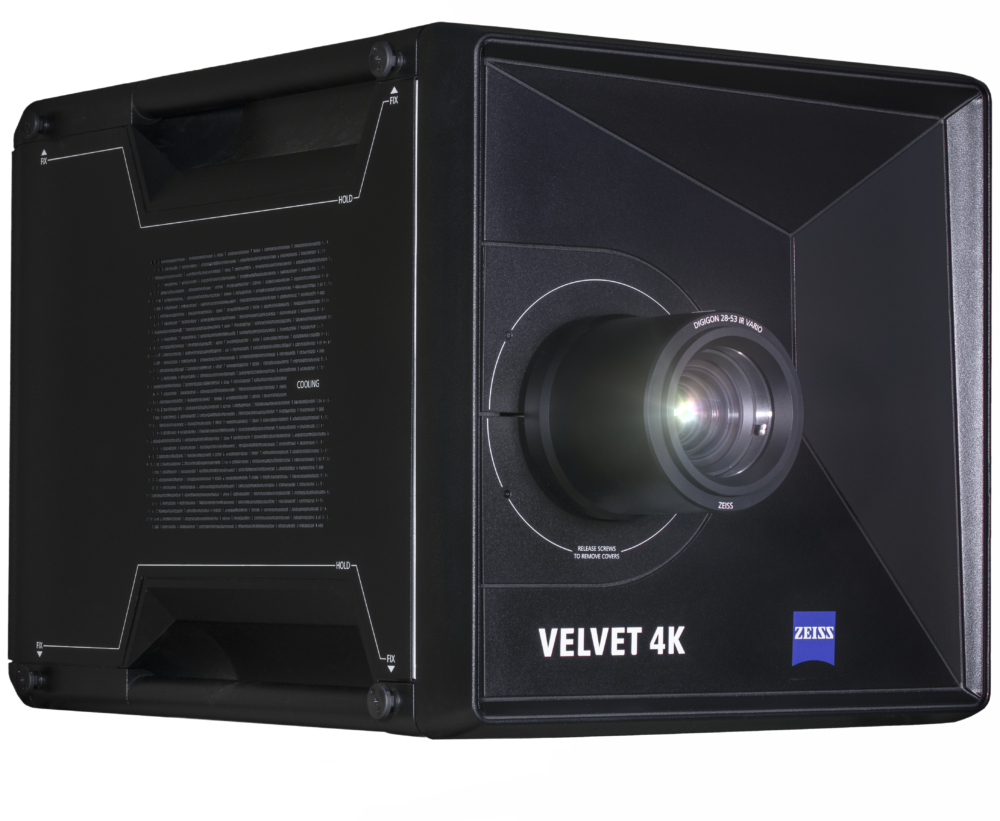
Following technical modernisation, the planetarium now uses eight ZEISS VELVET LED projectors for 360-degree video projection together with an existing opto-mechanical star projector. ZEISS UNIVIEW provides precise astronomical visualisation.
Making complex STEM content spatially experiential
The strength of a planetarium lies in its ability to vividly illustrate complex subjects. This is especially evident in astronomy and astrophysics, where distances and time scales far exceed those of everyday life. In a simulated three-dimensional space environment, students can change perspectives, approach celestial objects, jump to specific points in time and accelerate the course of events. Orders of magnitude, spatial relationships and dynamic processes become directly comprehensible, and demanding content gains a shared visual basis for discussion.
The potential extends well beyond astronomy. Geosciences, environmental research, biology and many other fields can also benefit from immersive visualisation. Lecturers can use the planetarium for teaching, research demonstrations and collaborative projects across disciplines. For instance, students from environmental science, computer science and media design could work together to turn climate data into immersive visualisations for the dome. Such projects encourage students to apply knowledge from different fields while strengthening collaboration across faculties.
A space for learning, research and presentation
In the planetarium, students become co-creators rather than listeners. They work with scientific data sets and present their findings in dome presentations. This deepens subject knowledge while building skills that are highly relevant for their future careers: explaining complex content clearly, presenting results convincingly and reaching different audiences. Whether in research, industry or science communication, expertise alone is often not sufficient. Anyone who wants to communicate knowledge, advise decisionmakers or explain innovations also needs presentation and communication skills. A planetarium offers a unique learning environment for exactly that purpose.
The technological foundation of modern planetariums
To create a successful university planetarium, institutions need solutions that combine projection, programme operation, technical reliability, long-term service and training programmes with local support through a regional partner.
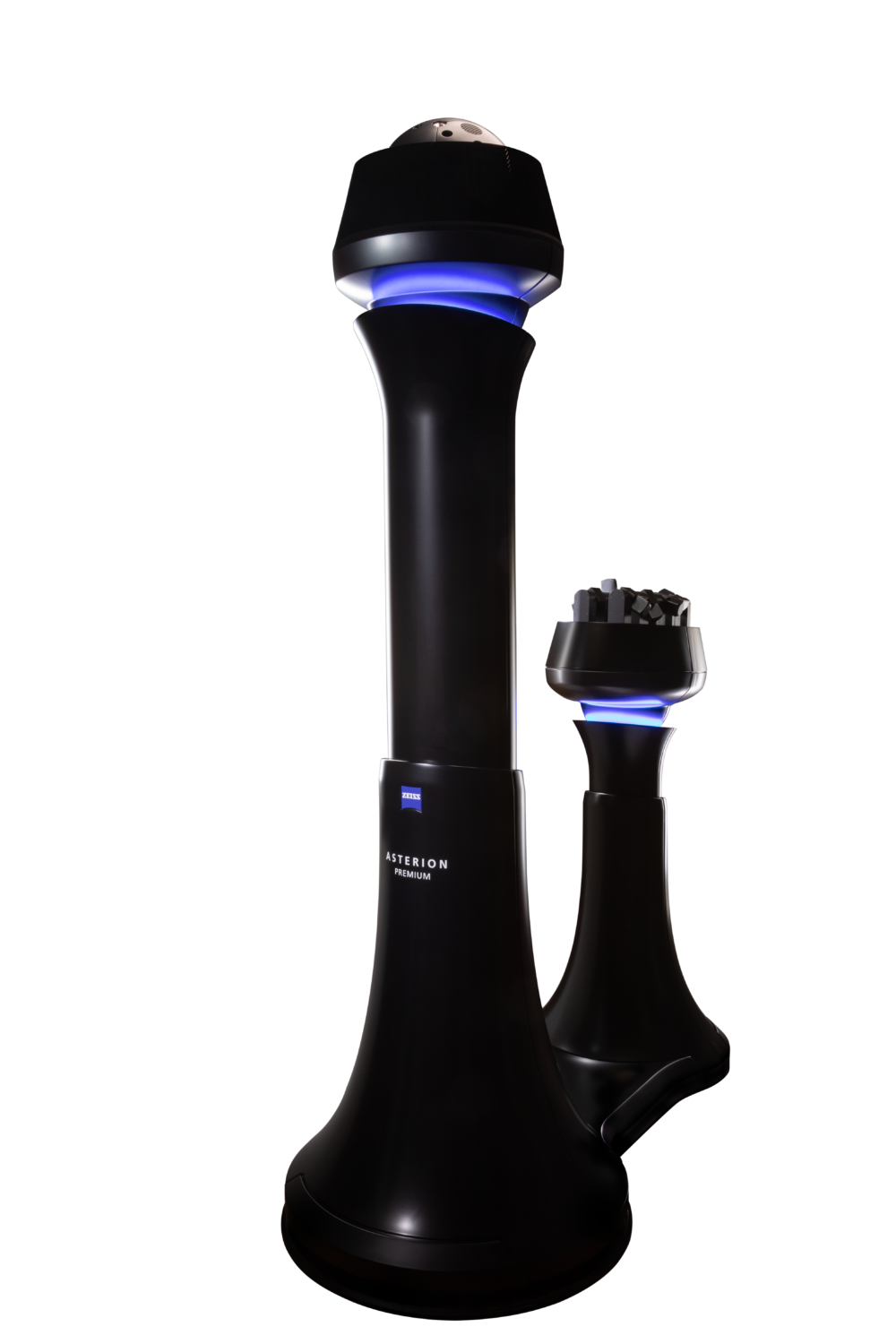
For educational institutions worldwide, ZEISS offers planetarium systems that combine optical precision, digital projection and scientific visualisation. These systems bring together VELVET 4K for brilliant immersive visuals, the SKYMASTER ZKP 4 opto-mechanical star projector for a realistic starry sky, ASTERION as a compact opto-mechanical version and UNIVIEW software for data-based live presentations and automated programme operation. Together with specialised partners for dome construction, sound, lighting and further technical equipment, ZEISS creates integrated solutions tailored to the needs of modern universities and long-term use. An extensive selection of educational and show programmes from leading producers completes the portfolio.
A strategic building block for the campus of the future
Building on this technological foundation, a university planetarium can become a strategic component of the campus, as it expands teaching by offering new educational opportunities, opens new avenues of visualisation for research and creates a space for science communication where students, researchers and the public can engage in dialogue.
Contact ZEISS Planetariums or its regional partner based in Dubai, Visuals Attraction Electronics LLC, to explore how a planetarium on your campus can become a vibrant space for learning, research and experience today and for future generations of students.