 Staff
Staff
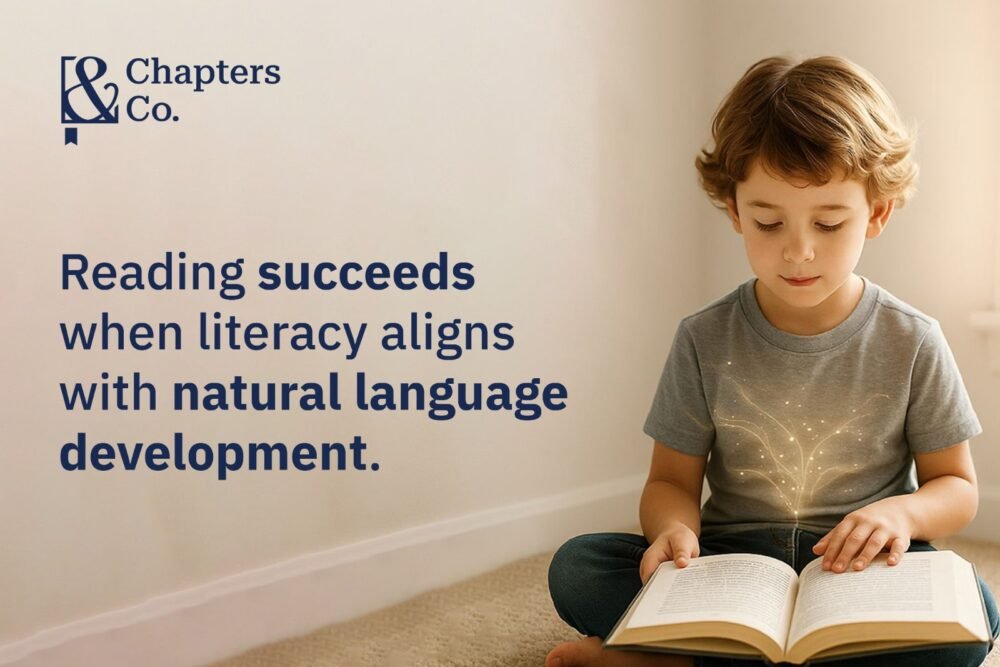
Building literacy from sounds to letters, rather than the reverse, offers a more effective path to reading success. This approach forms the foundation of sMiles and Basamat, structured phonics programmes for English and Arabic learners
Dubai, Jan 19, 2026: Across regions, including the Middle East, schools invest heavily in early-literacy programmes, yet many children still reach Grade 1 with weak decoding skills, limited fluency and low confidence in reading. The issue is rarely a lack of teacher effort; rather, it lies in the misalignment between how children naturally develop speech and how literacy is traditionally taught.
Most phonics programmes introduce letters and sounds in alphabetical or predetermined sequences that do not fully align with how young children perceive, assimilate and produce speech. This misalignment can result in cognitive overload, slow progress and early frustration, and in some cases may hinder the development of decoding and encoding skills that are critical for independent reading and spelling.
“A far more effective model is to build literacy in the same way children acquire language—from sounds to letters, not letters to sounds. This approach is applicable across languages that use alphabetic writing systems,” explains Wael Nasr, Founder of Chapters & Co.
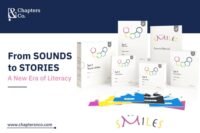
This principle underpins sMiles (English phonics) and Basamat (Arabic phonics), two structured, developmental literacy programmes designed by Chapters & Co. to support the efficient and effective acquisition of language and reading proficiency.
Chapters & Co. Is an educational publishing company focused on developing learning programmes that align with human cognition and early developmental processes.
sMiles and Basamat focus on developing decoding and encoding skills and provide early immersion in decodable readers. This approach ensures that early decoding is not only possible but immediately successful.
The results are rapid and measurable. In pilot schools, children taught through a sound-first approach began reading fully decodable stories within the first few weeks. By the end of KG2, most students were reading comfortably at or above early Grade 1 expectations. Teachers reported increased confidence, more consistent blending and stronger comprehension.
As the region continues to prioritise excellence in early-years education, aligning literacy instruction with cognitive and speech development is no longer optional; it is essential,” adds Nasr. His work centres on the relationship between language, learning and the development of foundational mental skills.
Programmes such as sMiles and Basamat demonstrate that when literacy mirrors the natural patterns of cognitive development, children learn to read faster, more accurately and with a genuine love of reading.