
 Staff
Staff
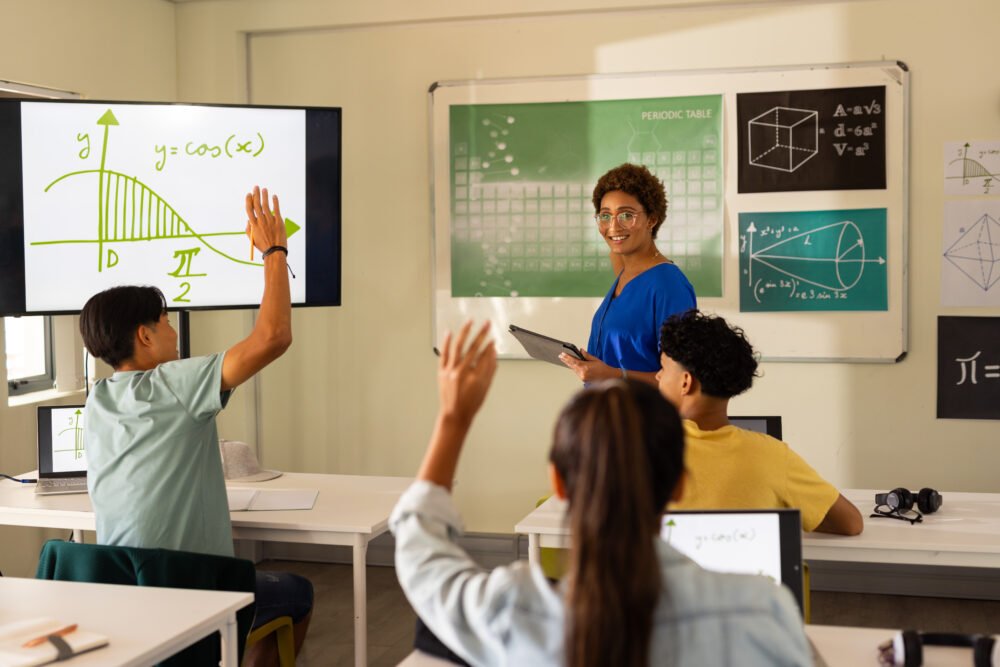
Dubai, Sept 3, 2026: Modern classrooms are defined by how effectively they enhance the continuity of the learning experience. Schools are leveraging artificial intelligence and connected school systems to bridge the gap between lesson planning, delivery, assessment and revision, while integrating core multilingual tools to expand accessibility.
“One pattern stands out: the most effective smart classrooms are not necessarily the ones with the most technology, but the ones that remove the most friction from the school day,” says Gurusharan Singh, Business Head for the Middle East and Africa, Teachmint, a global classroom technology company. “That is changing how schools evaluate classroom infrastructure.”
Artificial intelligence, he says, is proving valuable mainly where it shortens the distance between what a teacher intends and what happens in the classroom. “A topic can become a lesson, a lesson can become an assessment, and what was taught can feed directly into revision,” Singh says. “For learning, that means faster reinforcement, more relevant follow-up and less disconnect between teaching, assessment and revision.”
The same pattern is showing up in how school systems are wired together, he adds. “Attendance, assignments, assessments, classroom activity and administrative visibility are increasingly expected to connect. That continuity helps students stay engaged with the learning journey beyond a single lesson, while giving teachers a clearer view of progress and participation.”