
 Staff
Staff
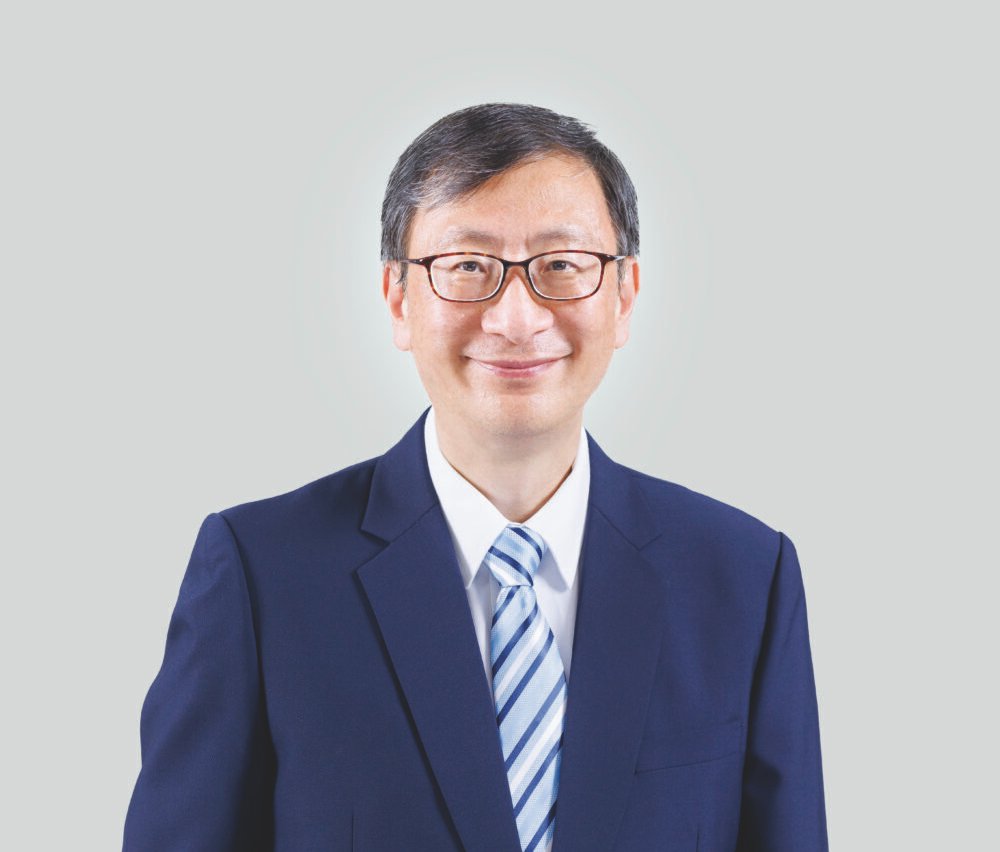
As education systems evolve, integrating AI and digital skills, nurturing lifelong learning, and reinforcing educators’ moral identity will be vital in preparing students for an uncertain future, says Professor John Chi-Kin Lee, President, The Education University of Hong Kong
Dubai, Mar 7, 2026: Education has always been a wager on the future. Yet today, the pace of technological change, demographic shifts and global realignments have rendered that future more uncertain than at any time in recent memory. The question before us is stark: how do we prepare educators, those entrusted with shaping the next generation, to equip students for futures that are fast evolving, unpredictable and deeply intertwined with artificial intelligence (AI)?
Artificial intelligence is not a passing trend; it is a structural force reshaping economies, societies and human interaction.
Educators must be equipped to harness AI not as a substitute for human judgment but as a catalyst for deeper learning. This requires building staff capacity in digital pedagogy, developing institutional AI tools that enhance productivity and embedding ethics and integrity into every AI-augmented practice. In this way, AI becomes not a threat but a partner in cultivating the skills and values that machines complement what future societies need.
In a world where knowledge quickly becomes obsolete, the most enduring skill is continuous learning. Preparing students as self-regulated, self-directed lifelong learners is essential. AI can serve as a partner in this journey, offering personalised pathways for intellectual growth and global competence. Yet it is educators who must cultivate the habits of curiosity, resilience and adaptability that allow students to thrive amid uncertainty.
Authentic, AI-powered learning experiences, whether through simulations, problem-based projects, or international collaboration, can strengthen employability and professional excellence. Yet these must be guided by teachers who embody empathy, integrity and a strong sense of mission. The role of educators is not diminished by AI. Rather, it is elevated, as educators become mentors who help students navigate the ethical, social and cultural dimensions of technological change.
Reinforcing educators’ professional identity
Teachers remain, as a Chinese maxim suggests, the “engineers of the human soul.” Preparing students for uncertain futures requires educators who are not only masters of pedagogy but also thoughtful, communicative and morally grounded. The commitment must be to nurture ‘new quality’ educators who combine knowledge with empathy, integrity and a sense of mission. These qualities are indispensable for guiding students through the turbulence of technological and societal change.
The professional identity of educators must be reinforced and not eroded by the rise of AI. Teachers should be seen not as dispensable transmitters of information but as cultivators of wisdom, resilience and ethical responsibility. Their role is to help students discern truth from falsehood, foster creativity amid automation and nurture the social bonds that hold communities together.
Sustainability and global engagement
The future of education cannot be separated from the future of the planet. Embedding sustainability into programme design, administration and research priorities ensures that educators understand global agendas and can translate them into meaningful practice. Strengthening international collaborations enhances research output and knowledge transfer, positioning institutions as leaders in the region and beyond.
Sustainability is not only about environmental stewardship; it is about cultivating a mindset of responsibility and foresight. Educators must help students see themselves as custodians of the future, capable of making decisions that balance innovation with ethical responsibility. This is particularly urgent in the context of AI, where questions of bias, privacy and accountability demand thoughtful engagement.
A compass for the unknown
The future is uncertain but education can provide the compass. By embedding AI and digital competence, cultivating lifelong learning, championing multiculturalism and reinforcing educators’ moral identity, we can prepare students not merely to adapt but to shape the world ahead.
Educators must embrace their dual role: mastering emerging technologies while nurturing timeless human qualities. In doing so, they will equip students with positive values coupled with soft (future-ready) skills, adaptability, resilience and the vision needed to navigate and transform the unpredictable landscapes of tomorrow.
The task before us is daunting but also exhilarating. If education can rise to this challenge, it will not only prepare students for uncertain futures but also help create futures worth inhabiting.